Imagine a Lagos fashion brand launching its digital storefront. Site traffic is good, and carts are full, but at checkout, every payment fails. Despite being open for business, they cannot collect a single Naira.
Issues with the payment gateway typically cause this scenario, whether it is poor quality, the wrong fit for the business, or a total lack of integration.
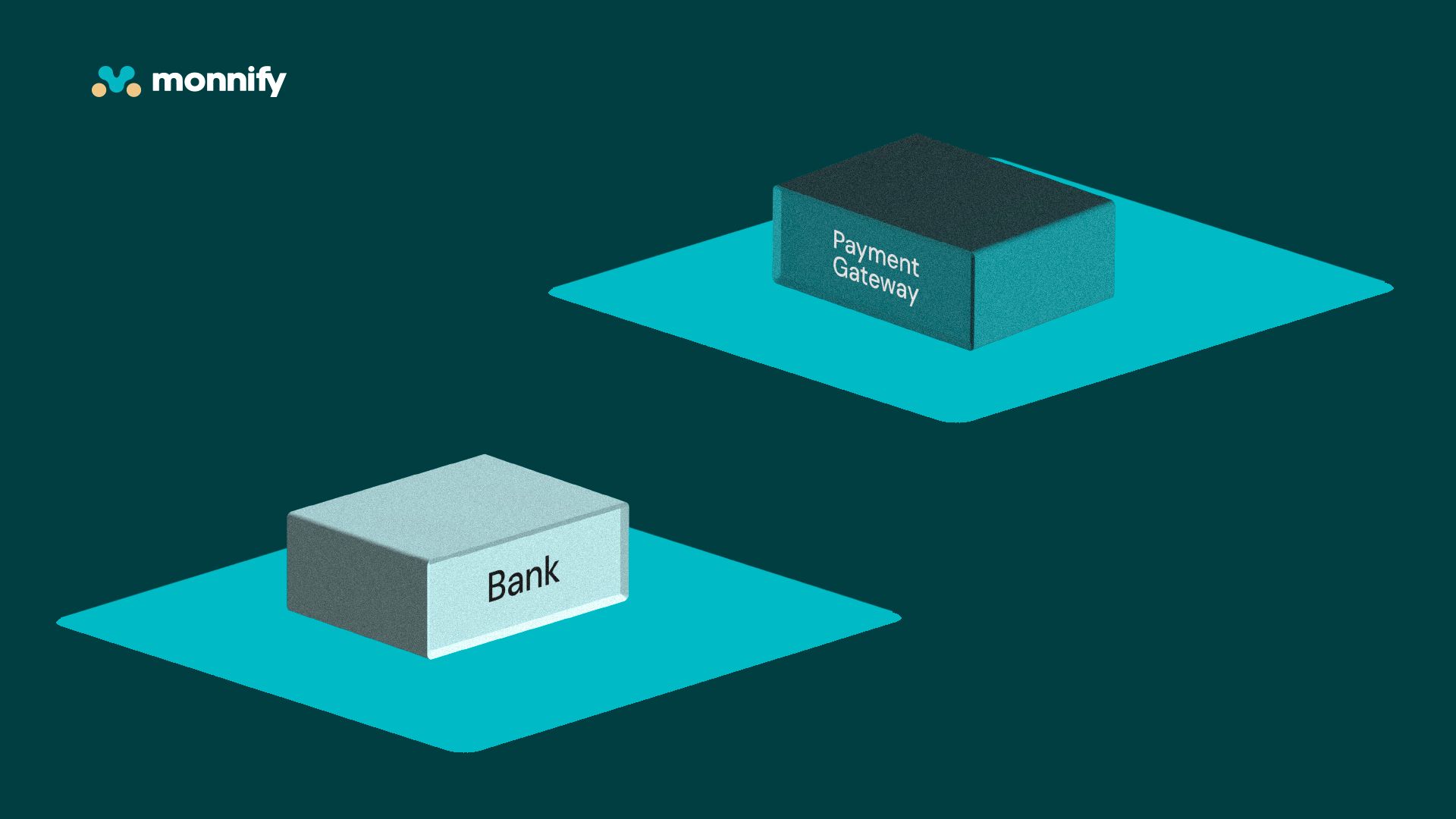
Essentially, a payment gateway is the vital link that enables digital commerce. Acting as a bridge between your business and a customer's financial institution, it is what makes online transactions possible.
In this guide, we will break down exactly how these gateways function, what to prioritize during your selection process, and how different providers in the Nigerian market compare.
What is a Payment Gateway?
A payment gateway is a software infrastructure that authorises and processes payments between a customer and a merchant. Whether someone pays by card, bank transfer, USSD, or mobile wallet, the gateway handles the authentication, encryption, and communication with the relevant financial institution.
Think of it the way you would a POS terminal at a physical store. When a customer taps their card, that terminal connects to their bank, confirms the funds are available, and approves the transaction. A payment gateway does the same thing, only online.
The gateway does not hold money. It moves information. The actual fund movement is handled by a payment processor operating behind the scenes.
How a Payment Gateway Works: Step by Step
Here is what happens between the moment a customer clicks 'Pay' and the moment funds reach your account.
- Customer initiates payment. They enter their card details, select a bank transfer, or choose USSD on your checkout page.
- Gateway encrypts the data. All payment information is encrypted using TLS/SSL before it moves anywhere.
- Request is sent to the payment processor. The gateway passes the transaction details to the payment processor, which forwards it to the relevant card network (Visa, Mastercard) or bank.
- Issuing bank approves or declines. The customer's bank checks for available funds, fraud signals, and card validity. It responds with an approval or decline code.
- Response flows back. The approval or decline message travels from the bank, through the processor, through the gateway, and back to your checkout page.
- Transaction is complete. If approved, the customer sees a success screen. Funds settle to your account within the agreed settlement window.
The whole process takes seconds. Most customers never think about it. When it breaks, though, they absolutely notice.
Payment Gateway vs Payment Processor: What is the Difference?
These two terms get confused constantly, even by developers who have built checkout flows before.
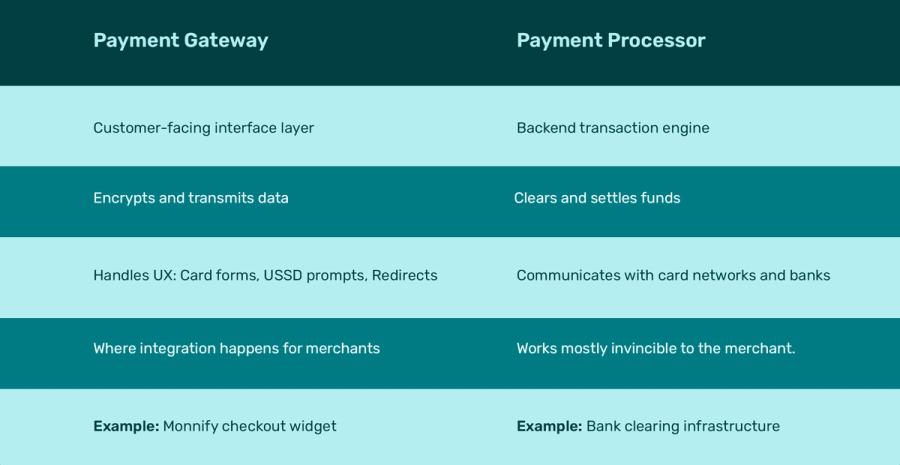
In Nigeria, most payment infrastructure providers bundle both functions into one product. When you integrate with a platform like Monnify, you are getting the gateway layer and the processing infrastructure in the same API.
Types of Payment Gateways
Not all payment gateways work the same way. The type you choose affects your customer experience, your technical workload, and your conversion rate.
1. Hosted Payment Gateways
The customer leaves your website to complete payment on the gateway's own page. After payment, they are redirected back. Easier to integrate, lower PCI compliance burden, but you lose some control over the experience.
2. Integrated (API-Based) Payment Gateways
Payment happens directly on your site or app. The gateway works through an API in the background. More technical work to set up, but you control the full checkout experience. Most preferred by product teams building custom flows.
3. Self-Hosted Gateways
You collect payment data on your own servers and pass it to the gateway. Maximum customisation, maximum security responsibility. Typically used by large enterprises with dedicated security infrastructure.
4. Local Bank Transfer Gateways
Very popular in Nigeria. Customers pay via direct bank transfer to a virtual account assigned to the transaction. No card needed. Works well for high-ticket purchases and customers without cards.
Monnify's virtual account feature, for example, generates unique account numbers per transaction or per customer, making reconciliation automatic and reducing the support burden around 'I paid but the money hasn't reflected' complaints.
What to Look for When Choosing a Payment Gateway in Nigeria
There are a lot of options in the Nigerian market. The right one depends on your business model, your technical resources, and who your customers are.
1. Payment Channels Supported
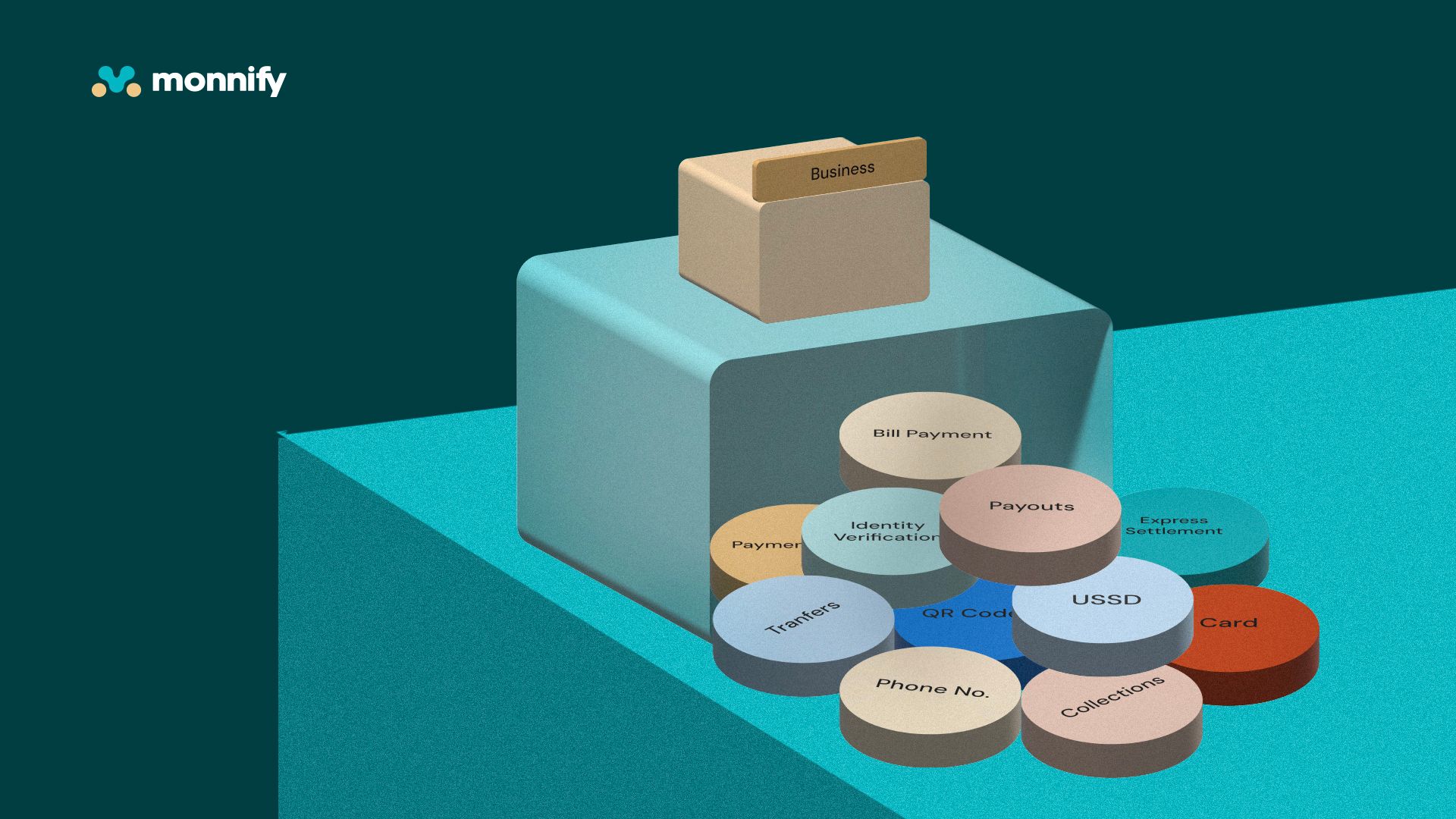
Your customers pay in different ways. A gateway that only accepts cards will miss a significant share of Nigerian consumers. Look for a provider that supports:
- Bank transfers
- USSD (*5573#, *737#)
- Card payments (Visa, Mastercard, Verve)
- Virtual accounts
- Mobile wallets
The more channels you support, the lower your cart abandonment rate. Over 60% of payments in Nigeria are made via bank transfer, not card. That number matters for your revenue.
2. Settlement Speed
How quickly does money hit your bank account? For businesses managing cash flow, this is not a small detail. Some gateways offer next-day settlement. Some offer same-day or express settlement depending on your transaction volume.
Monnify, for instance, offers express settlement as a configurable feature, which is particularly useful for businesses with tight working capital cycles.
3. Uptime and Reliability
A payment gateway that goes down costs you real money. Look for providers that publish uptime SLAs. Ask about redundancy. Check social media and developer forums for complaints about downtime. A 99.9% uptime target sounds good until you realise that still allows for over 8 hours of downtime per year.
4. Developer Experience and API Quality
If you are building a custom integration, the quality of the API documentation matters enormously. Look for:
- Clean, versioned REST APIs
- Sandbox environments for testing
- Webhook support for real-time notifications
- SDKs in your preferred language
- A responsive developer support channel
Monnify's developer documentation covers everything from single payment flows to recurring billing, and the sandbox environment mirrors production closely enough to avoid surprises at go-live.
5. Fees and Pricing Transparency
Payment gateways charge per transaction, usually a percentage plus a flat fee. Understand the full fee structure:
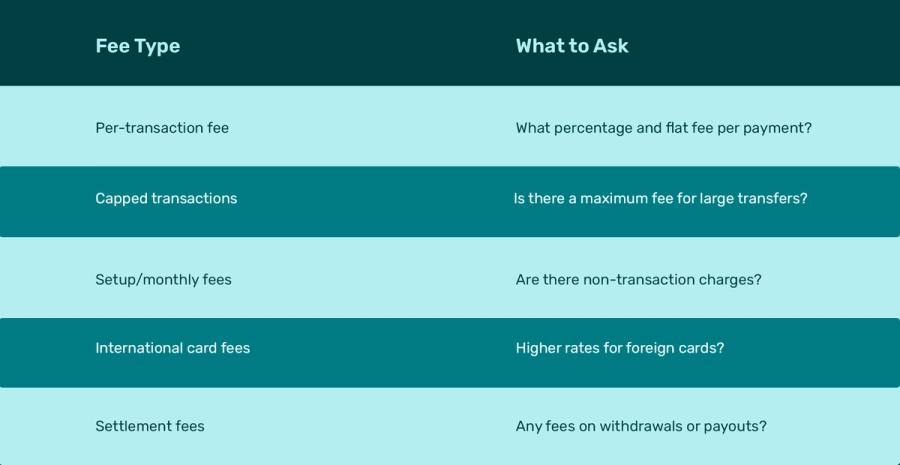
In Nigeria, it is common for local bank transfer fees to be lower than card fees. If your business processes large volumes, negotiate fee caps.
6. CBN Licensing and Regulatory Compliance
Only integrate with gateways licensed by the Central Bank of Nigeria. A CBN-licensed payment service provider has passed financial and operational compliance checks. Operating through an unlicensed provider exposes your business to legal risk and gives you no recourse if something goes wrong.
Monnify operates under the regulatory framework of the CBN, which gives businesses using the platform a layer of institutional protection.
7. Reconciliation and Reporting
Every payment should be traceable. Look for a dashboard that gives you transaction-level data, allows filtering by date, channel, and status, and exports in formats your finance team can actually use.
Virtual accounts make this even easier. When each customer or invoice is assigned a unique account number, payments map automatically. No manual matching. No support tickets about missing funds.
8. Fraud Detection and Chargeback Management
Online fraud is a real operating cost in Nigeria. Your gateway should have built-in fraud detection, 3D Secure support for cards, and a clear process for managing chargebacks. Ask what tools are available to flag suspicious transactions before they go through.
Monnify: Built for Nigerian Business Infrastructure
Start collecting payments today
Monnify gives businesses in Nigeria a full-stack payment infrastructure: collections, virtual accounts, payment links, disbursements, and express settlement. All backed by CBN-licensed infrastructure and a developer-first API.
Create a free Monnify account at www.monnify.com
Payment Gateway Comparison: What to Evaluate
Payment Channels
- Why It Matters: Reaches more customers.
- What to Look For: Cards, transfers, USSD, wallets.
Settlement Speed
- Why It Matters: Cash flow management.
- What to Look For: Same-day or express options.
API Quality
- Why It Matters: Integration speed and reliability.
- What to Look For: REST, webhooks, sandbox, SDKs.
Uptime SLA
- Why It Matters: Transaction availability.
- What to Look For: 99.9%+ with documented history.
Fees
- Why It Matters: Direct cost to your business.
- What to Look For: Transparent, competitive, capped.
CBN Licensing
- Why It Matters: Legal and financial protection.
- What to Look For: Licensed and verifiable.
Reconciliation
- Why It Matters: Finance team efficiency.
- What to Look For: Dashboards, exports, virtual accounts.
Support Quality
- Why It Matters: Speed of issue resolution.
- What to Look For: Developer-specific channels.
How to Integrate a Payment Gateway: A Practical Overview
Integration complexity varies by gateway and by the type of integration you are building. Here is a general path:
- Create a merchant account on your chosen gateway's platform.
- Generate API keys from your dashboard (test keys first, live keys after verification).
- Read the integration documentation specific to your platform (web, mobile, or backend).
- Build the payment flow in your sandbox environment and test all channels.
- Go through the KYB (Know Your Business) verification process.
- Switch to live keys and deploy.
- Set up webhooks to receive real-time payment status updates.
Frequently Asked Questions
Is a payment gateway the same as a bank account?
No. A payment gateway is a technology layer, not a financial institution. It facilitates the movement of funds between a customer's bank and yours, but it does not hold your money in the same way a bank does.
Do I need a payment gateway if I only receive bank transfers?
If customers are manually sending transfers to a static bank account, you do not have a payment gateway, you have a manual reconciliation problem. A gateway with virtual accounts automates the matching process and removes human error.
How long does payment gateway integration take?
With a well-documented API and a developer familiar with REST integrations, a basic integration can go live in one to three days. A full custom checkout with multiple payment channels, webhook handling, and refund flows typically takes one to two weeks.
What is a payment gateway fee in Nigeria?
Transaction fees vary by provider and channel. Card transactions typically cost between 1% and 1.5% of the transaction value. Local bank transfers are often cheaper. Most providers cap fees for large transactions. Always read the full fee schedule before committing.
Is Monnify regulated by the CBN?
Yes. Monnify operates within the Central Bank of Nigeria's regulatory framework, giving businesses using the platform legal and financial protection.
What is the difference between a payment gateway and a payment link?
A payment gateway is an infrastructure integration built into your checkout. A payment link is a shortcut that uses the gateway under the hood, letting you collect payments without a technical integration. Payment links are great for invoicing, social commerce, and quick collections. A gateway integration gives you more control over the checkout experience.